
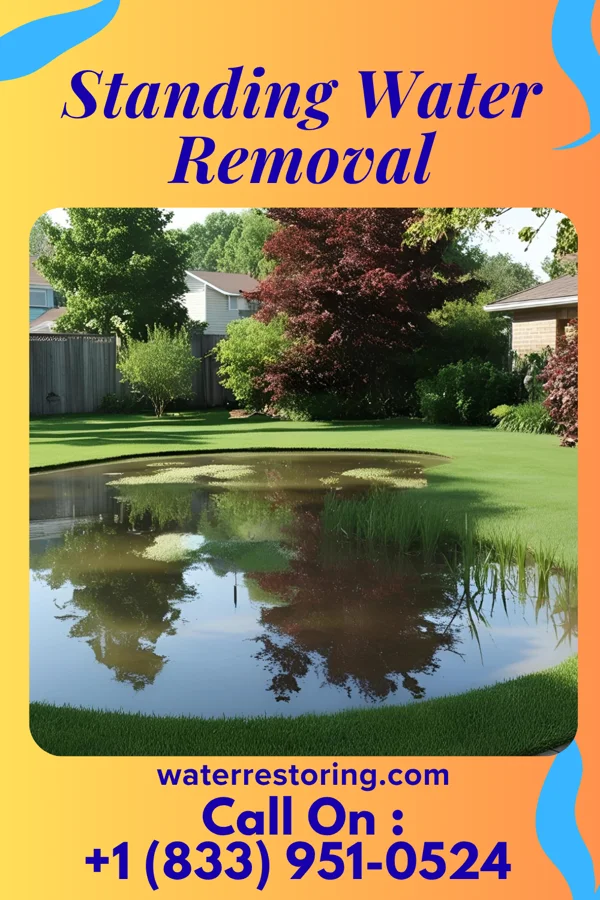
Standing Water Across Pleasure Point Neighborhoods
Every neighborhood in Pleasure Point has a different water damage risk profile. The one that shows up on most restoration calls is Pleasure Point, located near the coast, is prone to water damage from heavy rainfall and ocean mist, which can seep into homes and cause mold growth. Additionally, the area's proximity to the Pacific Ocean means that high humidity levels can contribute to standing water issues, especially during the rainy season.. A close second is Storm surges and flooding from nearby Capitola and Soquel can impact Pleasure Point, leading to basement and crawl space water intrusion. The area's hilly terrain also increases the risk of runoff and localized flooding after intense weather events..
Pleasure Point experiences a Mediterranean climate with wet winters and dry summers, making it vulnerable to water damage during the rainy season. The coastal influence also brings frequent fog and high humidity, which can lead to condensation and moisture buildup in homes.
Water damage in Pleasure Point follows a few local patterns. Pleasure Point, located near the coast, is prone to water damage from heavy rainfall and ocean mist, which can seep into homes and cause mold growth. Additionally, the area's proximity to the Pacific Ocean means that high humidity levels can contribute to standing water issues, especially during the rainy season. accounts for the bulk of our calls. Pleasure Point experiences a Mediterranean climate with wet winters and dry summers, making it vulnerable to water damage during the rainy season. The coastal influence also brings frequent fog and high humidity, which can lead to condensation and moisture buildup in homes. In Pleasure Point, mold can develop rapidly due to the high humidity and frequent rainfall, making it crucial to address water damage within 48 hours to prevent long-term structural and health issues.
For public guidance on the health effects of mold after prolonged water exposure, see the EPA mold and health page.